Everything You Need To Know About Playback Singer
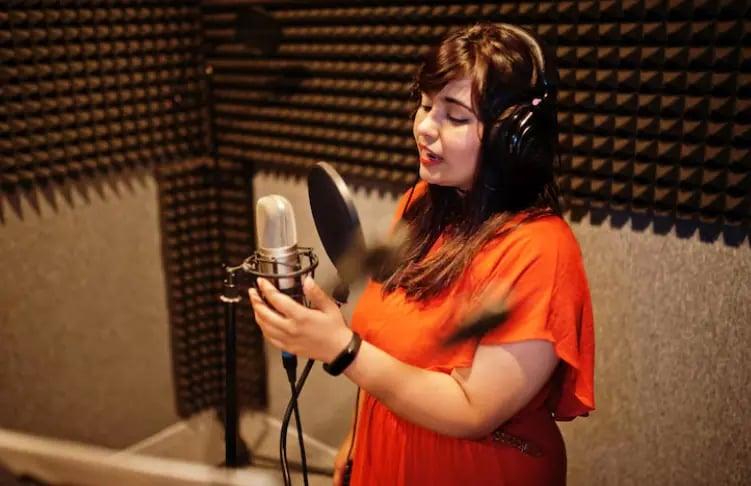
There is a moment in almost every Indian film that every audience member knows — the hero walks through rain, the heroine turns to face the camera, and a voice fills the theatre with emotion so raw and so precise that the entire hall falls silent. That voice does not belong to the actor on screen. It belongs to a playback singer — one of the most celebrated, most demanding, and most misunderstood professions in the entire Indian music industry.
Playback singing is the art of recording vocal performances for film and entertainment productions — performances that are later lip-synced by actors during filming. It is the invisible craft behind the most iconic moments in Indian cinema. From Lata Mangeshkar’s timeless soprano defining generations of Hindi film music to Arijit Singh’s emotionally devastating vocals dominating Bollywood charts for over a decade, from Shreya Ghoshal’s crystalline versatility to S. P. Balasubrahmanyam’s incomparable range across five languages — playback singers are the true voice of Indian cinema.
In 2026, playback singing has evolved dramatically. The traditional Bollywood studio model that once exclusively defined the profession has been joined by regional cinema booms in Tamil, Telugu, Kannada, Malayalam, Marathi, Punjabi, and Bengali industries — each with its own thriving ecosystem of playback opportunities. Digital streaming platforms have given independent artists alternate paths to build careers that feed directly into film music. AI tools have changed how vocal recordings are produced and processed. And social media has given aspiring playback singers the ability to reach music directors and industry professionals directly — a pathway that simply did not exist a generation ago.
This complete guide covers everything you need to know about playback singing in 2026 — its history, how it works, the skills required, how to build a career from scratch, the legends who defined the craft, the training required, the digital tools that give modern singers a competitive edge, and how A3 Tunes helps today’s vocalists release their own original music to the world while building the career that earns them playback opportunities. Whether you are an aspiring singer taking your first steps or an established vocalist looking to break into film music, this guide is your complete playback singing roadmap.
What Is Playback Singing? The Complete Definition
The Origin and History of Playback Singing in India
Playback singing is a recording technique in which a professional singer records a song in a studio before filming begins. The actor on screen then mouths the lyrics while the pre-recorded song plays back during shooting — hence the name. This technique transformed Indian cinema when it was first introduced.
Playback singing in India emerged in 1935 when composer Rai Chand Boral pioneered the technique in the Hindi film Dhoop Chhaon — replacing the cumbersome practice of live on-set singing with pre-recorded performances. The innovation was revolutionary. It freed directors from the acoustic limitations of live recording, allowed actors to focus entirely on their performance without worrying about vocal quality, and created an entirely new professional category — the playback singer — whose career was built on voice alone.
Through the 1940s and 1950s, the golden age of Indian playback singing emerged. Names like K. L. Saigal, Geeta Dutt, Talat Mahmood, Hemant Kumar, and above all Mohammed Rafi and Lata Mangeshkar established a tradition of playback excellence that set the technical and artistic standard for everything that followed. The playback singer became — uniquely in global cinema — a celebrity in their own right, as famous as the actors whose voices they provided.
How Playback Singing Works in the Modern Film Production Process
The modern playback singing workflow begins with the music director or composer receiving a brief from the film’s director — the emotional context of the scene, the character’s personality and vocal register, the musical style required, and the language and lyrical content. The composer then creates the melody, works with a lyricist on the final lyrics, and identifies the right playback singer for the specific song.
The singer is called to a professional recording studio, often after receiving the song ahead of time to prepare. Recording typically takes anywhere from two hours to multiple sessions depending on the complexity of the song, the number of vocal takes required, and the level of post-recording processing. After recording, the vocal track goes through mixing and mastering, and the final playback track is delivered to the film’s sound team, who sync it to the actor’s performance during the filming process.
In regional cinema, the process is similar but often faster-paced and more direct — music directors frequently work with a smaller, trusted circle of playback singers who can adapt quickly to different vocal requirements within tight production schedules.
The Difference Between a Playback Singer and an Independent Artist
A playback singer records vocals for someone else’s creative work — a film, a music video, an advertisement, or a series. The song, its composition, and its visual presentation are driven by another creative team. The playback singer’s job is to deliver the emotion, range, and character that the song requires, often with precision and consistency across many takes in a single session.
An independent artist, by contrast, creates, produces, and owns their own music. They write or co-write their songs, develop their own artistic identity, and release music under their own name to build a direct relationship with fans.
In 2026, the most successful vocal careers increasingly combine both models. Artists who build a following as independent musicians — demonstrating vocal ability, emotional range, and artistic identity across their own releases — attract the attention of music directors looking for fresh voices with proven audience appeal. The independent music career and the playback singing career are no longer separate paths. They are increasingly intertwined.
The Legends of Indian Playback Singing
The Voices That Defined a Nation — Golden Era Legends
No discussion of playback singing is complete without understanding the foundational legends whose work defined what the craft could be.
Lata Mangeshkar — arguably the most celebrated playback singer in the history of Indian cinema — recorded over 30,000 songs in more than 20 languages across a career spanning six decades. Her purity of tone, flawless pronunciation, and emotional range made her voice the defining sound of Hindi cinema from the 1940s through the 1990s. She is a Bharat Ratna awardee and remains a benchmark of vocal excellence that every aspiring playback singer studies.
Mohammed Rafi brought a quality of emotional authenticity to playback singing that was unmatched in his era. His ability to shift between devotional, romantic, comic, and patriotic registers within a single film — and to match his voice to the specific personality and register of different actors — defined what vocal versatility means in playback work.
Kishore Kumar was a phenomenon unto himself — an actor, director, and playback singer whose voice became synonymous with the energy and romance of 1970s and 1980s Hindi cinema. His ability to blend classical technique with contemporary accessibility made him one of the most beloved voices in Indian music history.
S. P. Balasubrahmanyam — known universally as SPB — remains one of the most recorded singers in the world, with recordings across Telugu, Tamil, Kannada, Malayalam, and Hindi film industries. His technical mastery, emotional depth, and capacity to adapt across genres made him a legend across every South Indian film industry simultaneously.
The Modern Era — Voices That Dominate Today
Arijit Singh is the defining playback voice of contemporary Bollywood. His ability to convey heartbreak, longing, and intimacy with complete naturalism — without apparent vocal effort — has made him the most requested playback singer in Hindi cinema for over a decade. His success has also demonstrated that a deeply personal, emotional vocal style is not just artistically valid but commercially dominant.
Shreya Ghoshal represents the gold standard of technical playback versatility in the modern era. With formal classical training, an extraordinary tonal range, and the ability to sing convincingly across romantic ballads, classical-influenced compositions, folk-derived songs, and up-tempo numbers, she has maintained relevance across generations of Bollywood music.
Armaan Malik, Neha Kakkar, Jubin Nautiyal, Tulsi Kumar, and B. Praak represent the current generation of bankable playback voices — artists who combine strong classical foundations with contemporary pop sensibilities and significant independent artist profiles that amplify their playback work.
In regional cinema, names like Sid Sriram in Tamil, Mangli in Telugu, Vijay Prakash in Kannada, and dozens of others are building dominant playback careers within their industries that rival Hindi film music in terms of cultural impact and commercial reach.
Skills Required to Become a Playback Singer
Vocal Training — The Non-Negotiable Foundation
No amount of natural talent substitutes for systematic vocal training in playback singing. The demands of the profession — singing precisely in pitch and rhythm across extended recording sessions, adapting vocal character to match different screen personalities, handling complex classical-influenced compositions, sustaining vocal health through a professional schedule — all require foundational training that goes far beyond what natural ability alone can provide.
Indian classical music — either Hindustani or Carnatic — forms the bedrock of professional playback singing training. Even contemporary Bollywood songs that sound entirely modern are frequently built on raga structures, classical ornaments (gamakas, meend, taans), and rhythmic frameworks drawn from classical traditions. A singer without classical grounding will always struggle with the technical demands of the most complex playback work.
Key vocal training elements for aspiring playback singers include daily riyaz (practice) of ragas for pitch control and melodic memory, breath control and diaphragmatic support for sustained note holding, voice modulation for emotional range and character adaptation, pronunciation discipline across multiple languages, and elimination of vocal tension habits that limit range and endurance.
Institutions like Gandharva Mahavidyalaya and Shankar Mahadevan Academy offer structured training programs specifically relevant to playback singing aspirants. Finding a qualified guru — particularly one with professional recording or performance experience — provides personalized guidance that institutional courses alone cannot offer.
Vocal Versatility — The Defining Playback Skill
More than any single technical skill, versatility is what defines a professional playback singer. A film music director working across a complete album needs voices that can handle romantic ballads, energetic dance numbers, devotional sequences, folk-influenced songs, Western pop-influenced compositions, and classical-adjacent forms within the same project. A singer who excels in one style but struggles in others limits their professional utility.
Developing versatility requires deliberate cross-genre practice — studying and performing film music, classical repertoire, folk traditions, contemporary pop, devotional music, and ghazals as distinct disciplines. Each genre builds different aspects of vocal capability that transfer across all forms of playback work.
Language Skills and Pronunciation Discipline
Hindi film music demands clean, precise Urdu and Hindi pronunciation. Tamil playback requires accurate phonetic command of Tamil. Telugu, Kannada, Malayalam, Bengali, Marathi, and Punjabi film industries each require the same standard in their respective languages. Many of the most successful playback singers — SPB across South Indian languages, Shankar Mahadevan and Shreya Ghoshal across North and South Indian markets — built multi-industry careers precisely because they invested in language learning alongside vocal training.
Aspiring playback singers should study the phonetic systems of the languages they want to sing in, work with coaches who can correct pronunciation errors that feel acceptable to non-native ears but are immediately audible to native speakers, and listen extensively to the playback singing traditions of each language industry they aspire to work in.
Sight-Reading and Musical Literacy
Professional recording sessions move fast. A music director who needs to re-arrange a melody mid-session, change a key to suit an actor’s lip movement, or add a last-minute compositional variation needs a playback singer who can adapt immediately — not one who needs hours to learn a modified melody. Musical literacy — the ability to read notation, understand harmony, recognize key changes, and follow a conductor or musical director’s instructions precisely — is a professional advantage that separates reliable professionals from unreliable amateurs.
Microphone Technique and Recording Studio Behavior
The recording studio is a completely different performance environment from a live stage. Microphone placement, proximity effect, the relationship between vocal dynamics and the recording chain, and the adjustment of performance style for close-mic recording are all skills that feel counterintuitive to singers trained primarily for live performance. Developing comfort and proficiency in the recording environment — by spending time in studios even as a student and observer — is one of the most practically important career investments an aspiring playback singer can make.
How to Build a Playback Singing Career in 2026 — Step by Step
Step 1 — Build an Unshakeable Vocal Foundation
The first three to five years of any serious playback singing career should be almost entirely focused on training. Find a classical guru and commit to daily riyaz. Develop your range, breath control, and tonal quality systematically. Work on the specific technical weaknesses your training reveals — every singer has them.
Do not rush this stage. The playback singers who achieve professional longevity are the ones whose technical foundations are deep enough to evolve with changing musical styles, recover from vocal health challenges, and handle the demands of full-schedule professional recording work. The shortcuts that some aspiring singers take during the training phase always cost them in the professional phase.
Step 2 — Build a Professional Demo Reel and Online Presence
In 2026, a playback singer without a strong online presence is invisible to the music directors, film producers, and industry professionals who might otherwise give them opportunities. Your online presence is your extended audition — available to anyone, anywhere, at any time.
Create high-quality audio and video recordings of your performances that showcase your range, versatility, emotional expression, and technical skill. Record covers of well-known playback songs that let industry listeners quickly calibrate your voice against familiar reference points. Record original material that demonstrates your own artistic identity.
Upload consistently to YouTube, Instagram, and Spotify (as an independent artist). Build a social media presence that shows your personality as well as your vocal ability — music directors are hiring human beings, not just voices. Use relevant hashtags, participate in music communities, and engage genuinely with the audience you are building.
Step 3 — Release Original Music as an Independent Artist
This is the strategy shift that most aspiring playback singers in 2026 are not making fast enough. Releasing original music as an independent artist under your own name — through a distributor like A3 Tunes — does four things simultaneously that accelerate a playback career.
It demonstrates that you have the complete package: vocal ability, musical identity, artistic vision, and the ability to carry a recorded performance from beginning to end without direction. It builds a listener base and streaming data that gives music directors objective evidence of your commercial appeal. It establishes your name in search results, streaming platforms, and music databases where industry professionals look for new voices. And it generates royalty income that funds continued vocal training and studio time while you build the industry connections that lead to playback opportunities.
A3 Tunes distributes your original music to Spotify, Apple Music, JioSaavn, YouTube Music, Amazon Music, Instagram, TikTok, Deezer, Gaana, and 150+ other platforms starting at just ₹1 a day — with full rights retention, 100% royalty earning, and real-time analytics to track your growth. Explore the A3 Tunes pricing plans and start building the catalog that gets you noticed.
Step 4 — Audition for Reality Shows and Competition Platforms
Indian Idol, Sa Re Ga Ma Pa, The Voice India, Superstar Singer, and their regional language equivalents remain significant career accelerators for aspiring playback singers despite changes in viewership patterns. These platforms offer mentorship from industry legends, national television exposure, and behind-the-scenes networking with music directors, composers, and producers who serve as judges and mentors.
Even without winning, a strong performance on a major reality show can produce calls from music directors, collaborations with established composers, and significant social media growth that accelerates every other career pathway. Research each show’s format and past winner trajectories, choose competition platforms that align with your vocal style and genre strengths, and prepare song selections that showcase both technical excellence and emotional authenticity.
Step 5 — Network With Music Directors, Producers, and Composers
The playback singing industry is, at its core, a relationship business. Music directors work with singers they trust — voices they know deliver consistently in the recording environment, artists who are professional and easy to direct, performers who understand the emotional brief of each song without requiring extensive explanation.
Building these relationships requires deliberate effort. Attend music industry events, workshops, seminars, and launch events. Work with independent music producers on their projects even before film opportunities arise — building a track record of professional recording experience. Collaborate with lyricists and composers on non-film projects that demonstrate your ability to work collaboratively in a production context.
Mumbai is still the center of Hindi film music, but regional industry hubs — Chennai, Hyderabad, Kolkata, Bengaluru, Kochi — offer significant playback opportunities and often lower barriers to entry for first-time industry relationships. Digital collaboration tools have also made it possible to audition for and record playback sessions remotely — expanding the geographic options available to aspiring singers outside major metro areas.
Step 6 — Pursue Jingles, Album Projects, and Non-Film Playback Work
Professional playback experience is not limited to feature films. Jingle singing for advertisements builds recording studio discipline, connects you with producers and creative directors, and generates income. Non-film album projects for devotional music, regional pop albums, and independent artist collaborations all build the professional track record that film music directors notice. Playback work for web series, OTT original content, and digital music videos is now a significant and growing opportunity that many aspiring singers undervalue.
The Role of Regional Cinema in Playback Singing Careers
The South Indian Film Industry — A Complete Parallel Ecosystem
Tamil, Telugu, Kannada, and Malayalam cinema have thriving, independent playback singing ecosystems that rival Hindi film music in the quality of their vocal traditions, the richness of their musical heritage, and the commercial scale of their audiences. The South Indian film industry is not a secondary market — it is a primary career destination for singers with classical training, linguistic capability, and the ability to adapt to the distinct musical styles of each regional tradition.
The extraordinary commercial success of Pan-India films — from Baahubali to RRR to Pushpa — has further elevated the global visibility of South Indian playback singing, bringing Tamil and Telugu playback voices to audiences far beyond their regional base.
Bollywood Versus Regional Cinema — Different Musical Demands
Hindi film music in 2026 leans heavily toward contemporary pop production aesthetics — melodic hooks built for streaming, minimalist arrangements that center the vocal, and lyrical intimacy that suits close-mic recording. Tamil film music, by contrast, has a stronger tradition of complex rhythmic structures, classical influences, and high-drama vocal performances that demand different technical capabilities. Telugu film music balances classical depth with commercial accessibility in ways that require genuine versatility.
Understanding these genre distinctions — and developing the specific capabilities each industry demands — is what allows the most ambitious playback singers to build multi-industry careers rather than limiting themselves to a single regional market.
Independent Regional Music and Its Growing Playback Opportunities
Beyond the film industries themselves, independent regional music — folk revival, contemporary regional pop, devotional albums, cultural music projects — is a growing playback opportunity in every Indian language market. Artists like Nooran Sisters in Punjabi folk, Bombay Jayashri in Tamil classical fusion, and dozens of regional indie acts are creating playback opportunities outside film that offer creative freedom and cultural significance alongside commercial value.
Using Digital Tools to Advance Your Playback Singing Career
Recording Yourself at Home — Demo Quality Matters
The ability to produce high-quality demo recordings from a home studio has become a critical career skill for aspiring playback singers in 2026. Music directors who receive a WhatsApp voice memo as an audition are not impressed — even if the voice is extraordinary. A clean, professionally-recorded demo that demonstrates your voice accurately, without distracting background noise or compression artifacts, is the minimum standard for serious industry consideration.
Invest in a decent USB or XLR condenser microphone, a basic audio interface, and a free DAW like BandLab Studio. Learn the fundamentals of home recording. Spend time getting your recording environment as acoustically clean as possible. These investments cost a fraction of traditional studio time and create a perpetual audition-ready recording setup.
AI Vocal Tools — Practice Aids for Playback Aspirants
AI vocal tools now offer aspiring playback singers practice capabilities that were previously available only through professional studio sessions. Pitch correction visualization tools help singers identify and work on specific intonation weaknesses. AI stem separation tools let you isolate the vocal from professional playback recordings to study technique in detail. AI mixing tools help you create demo-quality mixes of your practice recordings that make them more useful as professional audition materials.
The key is using these tools as diagnostic and practice aids — not as substitutes for genuine vocal development. Music directors can always distinguish authentic vocal quality from AI-corrected mediocrity.
Social Media Strategy for Playback Singer Visibility
In 2026, social media is not optional for aspiring playback singers. It is the primary discovery channel through which music directors, producers, and industry professionals encounter new voices. A strategic social media presence combines regular cover posts and reels that demonstrate versatility, original content that shows personality and artistic identity, behind-the-scenes recording and practice content that builds authentic connection, and consistent engagement with music industry communities.
Instagram Reels, in particular, have become the most impactful platform for vocal discovery — short, high-quality vocal performance videos that demonstrate a singer’s voice in 30-60 seconds can reach music industry professionals directly without any gatekeeping. Multiple breakthrough playback opportunities in the past few years have originated from a single viral Reel that reached the right person.
Income Streams Available to Playback Singers
Studio Recording Fees — The Primary Income Source
Professional playback singers are paid studio recording fees for each song they record. These fees vary widely by industry, artist reputation, and negotiating position — established names command significantly higher fees than newcomers. Entry-level playback work in regional cinema or non-film productions pays less but provides the professional experience and credits that justify higher fees in subsequent work.
Royalties From Streaming and Broadcast
In India’s current music rights framework, many playback singers do not receive direct streaming royalties from the songs they record — because playback song rights are typically owned by the film producer or music label rather than the singer. However, performance royalties — collected through organizations like IPRS (Indian Performing Right Society) — are payable to singers when their recordings are broadcast on radio, television, and streaming services, and paid for live performance.
Understanding the royalty landscape, registering with IPRS, and ensuring proper credit attribution in every recording session are important financial hygiene practices that aspiring professional playback singers often neglect in the early stages of their career.
Independent Artist Royalties — The Most Controllable Income Stream
This is where the career strategy of combining independent artistry with playback work pays its most consistent financial dividends. Music released as an independent artist through a platform like A3 Tunes earns 100% streaming royalties to the artist — with no label or producer taking a cut. Every stream on Spotify, every download on Apple Music, every use in an Instagram Reel generates revenue that flows directly to you.
Building a catalog of original releases that earns consistent streaming income creates financial independence that allows you to be selective about playback opportunities rather than accepting any work out of financial necessity. Financial independence and creative selectivity are two of the most important career assets a playback singer can develop. Start building that catalog through A3 Tunes and begin earning from your voice on your own terms.
Live Performance, Events, and Concert Income
Established playback singers command significant fees for live concert performances — both as headlining performers of their own music and as special performers of the playback songs they have recorded. The Indian live music market in 2026 — spanning corporate events, weddings, music festivals, college events, and dedicated live music venues — offers substantial income opportunities for vocalists with both playback credibility and live performance skills.
Common Myths About Playback Singing That Hold Aspiring Singers Back
Myth 1 — You Must Be in Mumbai to Build a Playback Career
Mumbai is the center of Hindi film music and a physical presence there accelerates certain networking opportunities. But regional cinema hubs — Chennai, Hyderabad, Bengaluru, Kochi, Kolkata — offer significant playback career paths without requiring Mumbai relocation. And digital collaboration tools have made remote recording sessions, remote auditions, and remote industry relationship-building more viable than ever. Your career begins where you are and expands as your reputation does.
Myth 2 — Reality Show Success Guarantees a Playback Career
Reality shows build visibility — but visibility alone does not translate to a playback career without the technical preparation, industry relationships, and consistent professional quality that turns visibility into opportunity. Many reality show finalists and winners have found that post-show career building requires the same systematic work as any other path. The show provides the platform. The preparation determines what you do with it.
Myth 3 — Classical Training Is Only for Classical Singers
This is one of the most persistent and damaging myths in Indian music education. Classical training is not preparation for a career in classical music — it is the foundational technical development that makes excellence in every musical form possible. The most commercially successful contemporary playback singers — Arijit Singh, Shreya Ghoshal, Armaan Malik, Sid Sriram — all have significant classical foundations. The classical training is invisible in their commercial work precisely because it is so deeply integrated.
Myth 4 — You Cannot Build an Independent Music Career and a Playback Career Simultaneously
In 2026, these are complementary rather than competing paths. Independent releases demonstrate versatility, build audiences, generate royalty income, and attract industry attention. Playback work provides professional studio experience, industry credibility, and associated commercial visibility. The most successful new-generation playback voices are increasingly artists who have built both tracks simultaneously — each reinforcing the other.
The Future of Playback Singing in India
AI and the Evolving Role of the Human Voice
AI voice synthesis tools have advanced dramatically in 2026, raising legitimate questions about the long-term demand for human playback singers. The honest assessment is that AI-generated voices can replicate the technical surface of singing with increasing accuracy — but consistently fall short of the emotional specificity, spontaneous humanity, and subtle expressive nuance that make great playback singing genuinely moving.
The playback singers most insulated from AI displacement are the ones whose artistry is the most distinctly, irreducibly human — artists who bring emotional depth, cultural authenticity, and genuine personality to every performance that no synthesis can credibly replicate. Developing these qualities alongside technical skill is the most important long-term career investment a playback singer can make.
The Rise of Independent Playback and Original Artist Crossovers
The 2020s have seen the emergence of a new playback singer model — artists who build significant independent careers before their playback work begins, who command influence in their own right and bring that cultural cachet to film music. Artists like Sid Sriram in Tamil cinema exemplify this model — deeply personal independent artists whose playback work carries the same authentic emotional intensity as their own music.
This is the model that aspiring vocalists in 2026 should be actively building toward. The independent artist career and the playback career are not separate tracks — they are two lanes of the same highway, and the artists who travel both simultaneously will define the next era of Indian playback singing.
Regional Language Music and Global Audiences
Korean pop music’s global breakthrough demonstrated definitively that language is not a barrier to global audience connection when the music and the artistry are genuinely compelling. Tamil, Telugu, Punjabi, and other Indian language music is building global audiences at accelerating rates — through diaspora communities, through global streaming platforms that have made regional language music more discoverable than ever, and through the cultural momentum of Indian entertainment content in global markets.
Playback singers in regional industries are not serving local markets — they are building global careers with the cultural specificity of their regional traditions as a unique strength rather than a limitation.
Releasing Your Own Music as a Playback Singer — Why A3 Tunes Is Your Partner
Why Every Playback Singer Should Be an Independent Artist First
The conventional playback singing career path — train, move to Mumbai, audition, struggle for years before a first break — is being supplemented and in many cases replaced by a new model: train, build an independent catalog, grow an audience, and attract film opportunities through demonstrated commercial and artistic appeal.
A3 Tunes is the distribution partner that makes this model financially accessible and globally reaching for every independent vocalist in India. Release your own original music, build your streaming presence, earn from every play, and use the data your releases generate to demonstrate your commercial appeal to music directors looking for bankable new voices.
Distribute Your Original Music to 150+ Platforms for ₹1 a Day
A3 Tunes offers global distribution to Spotify, Apple Music, JioSaavn, YouTube Music, Amazon Music, Instagram, TikTok, Deezer, Gaana, and 150+ other platforms starting at just ₹1 a day under the Startup Plan — with full rights retention, 100% royalty earning, ISRC and UPC code generation, and real-time performance analytics.
Explore all plan options on the A3 Tunes pricing page and start building the catalog that builds the career.
A3 Tunes Supports Indian Regional Language Artists
A3 Tunes is headquartered in Bengaluru and built with Indian independent artists at the center — supporting distribution for music in Tamil, Telugu, Punjabi, Bengali, Marathi, Malayalam, Assamese, Kannada, and every other major Indian language. Regional language vocalists building playback careers in their local industries can release original music, build streaming presence, and reach both Indian and global audiences through a single upload.
Frequently Asked Questions About Playback Singing
What is a playback singer exactly?
A playback singer is a vocalist who records songs in a studio that are later lip-synced by actors during film shooting. The pre-recorded vocal track — the playback — is what audiences hear in the final film. Playback singing has been the standard practice in Indian cinema since 1935 and has produced some of the most celebrated voices in global music history.
How do I become a playback singer in India?
Becoming a playback singer requires systematic vocal training (ideally in Indian classical music), developing versatility across genres and languages, building a professional demo and online presence, releasing original music as an independent artist to demonstrate commercial appeal, participating in auditions and competitions, and networking with music directors, composers, and producers in the film industry.
Do playback singers earn royalties?
Under India’s current music rights framework, many playback singers do not receive direct streaming royalties from film songs — those rights typically belong to the producer or music label. However, performance royalties through IPRS are payable on broadcasts and streaming, and original music released independently through platforms like A3 Tunes earns 100% streaming royalties directly to the artist.
Who is the best playback singer in India?
This is a deeply subjective question. Among legends, Lata Mangeshkar, Mohammed Rafi, Kishore Kumar, and S. P. Balasubrahmanyam are universally acknowledged as defining voices of their respective eras. Among contemporary playback singers, Arijit Singh and Shreya Ghoshal are consistently cited as the most technically accomplished and commercially dominant voices in current Hindi film music.
Is classical training necessary for playback singing?
It is not absolutely mandatory but is strongly recommended and practically essential for the most demanding playback work. Indian classical training develops pitch control, breath management, vocal range, understanding of ragas and rhythmic structures, and the technical foundation that makes versatility possible. Almost every major playback singer in India — including those whose work sounds entirely contemporary — has significant classical training in their background.
Can I build a playback singing career from outside Mumbai?
Yes. Regional cinema hubs — Chennai, Hyderabad, Bengaluru, Kochi, Kolkata — offer significant playback opportunities in thriving local film industries. Digital tools now support remote auditions, remote recording sessions, and remote industry relationship-building. Building an online presence and independent artist catalog through platforms like A3 Tunes makes your voice discoverable to industry professionals regardless of your geographic location.
How do I release my own music while pursuing a playback career?
Sign up with a music distributor like A3 Tunes, record your original music in a home studio or professional studio, and upload it for global distribution. A3 Tunes delivers your music to 150+ platforms for just ₹1 a day, with full rights retention and 100% royalty earning. Sign up today and start building your independent catalog alongside your playback career.
Final Thoughts
Playback singing is one of the most demanding, most rewarding, and most culturally significant professions in Indian music. It demands technical excellence built over years of classical training, emotional intelligence that transforms words and melody into genuine feeling, professional versatility that serves a composer’s vision while maintaining artistic integrity, and the resilience to persist through a competitive industry where opportunities are hard-won.
In 2026, the path to a playback singing career is more varied — and in some ways more accessible — than it has ever been. Regional cinema booms are creating opportunities across every Indian language market. Digital platforms have made talent discoverable without geographical limitations. Social media has created direct connections between aspiring singers and industry professionals. And the independent artist model has given vocalists a way to demonstrate commercial appeal and build financial sustainability while pursuing the industry relationships that lead to playback opportunities.
The most powerful advice for any aspiring playback singer in 2026 is this: do not wait for permission to share your voice with the world. Build your vocal foundation, develop your artistic identity, release your original music independently, build your streaming presence, and let the world hear what you can do. The playback career that follows will be built on a foundation of demonstrated ability rather than untested potential.
A3 Tunes is ready to help you take that step — with global distribution to 150+ platforms, full rights retention, 100% royalty earning, and pricing starting at just ₹1 a day.
Your voice deserves to be heard. Start your journey with A3 Tunes today.
Share this article
Loading latest posts...

Bengaluru, INDIA
2025 A3 Tunes.All Rights Reserved


Bengaluru, INDIA
2025 A3 Tunes.All Rights Reserved